Disposable Gloves: Nitrile, Vinyl, Latex & Medical Exam Gloves
Disposable gloves are essential for maintaining hygiene and safety across healthcare, food service, cleaning, and personal care tasks. Whether you need nitrile gloves for medical exams, vinyl gloves for food preparation, or latex gloves for general and medical use, WellBefore offers a comprehensive selection to meet your needs.
Our collection includes gloves in various materials, sizes, and thicknesses from trusted brands like MediPro, Cardinal Health, and McKesson. From powder-free exam gloves to heavy-duty utility gloves, we carry options suitable for medical professionals, food handlers, cleaning staff, and home use. Stock up with our bulk pricing options and get fast shipping on all orders.
What Are the Types of Disposable Gloves
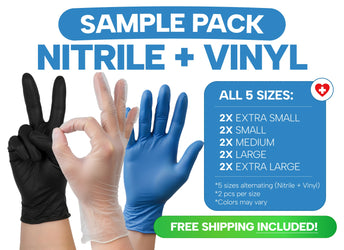
Different glove materials serve different purposes based on durability, chemical resistance, and sensitivity requirements. Understanding the differences helps you choose the right protection for your specific task.
Nitrile Gloves
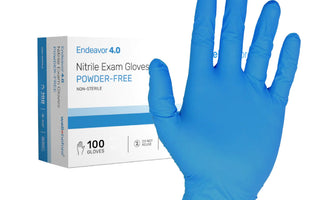
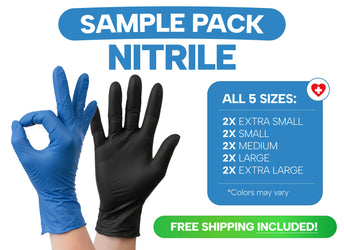
Nitrile gloves are the most popular choice for medical settings and food service. Made from synthetic rubber, they offer excellent puncture resistance and chemical protection without the allergy concerns of latex. Nitrile exam gloves provide a snug fit with good tactile sensitivity, making them ideal for medical examinations, laboratory work, and detailed tasks.
Vinyl Gloves
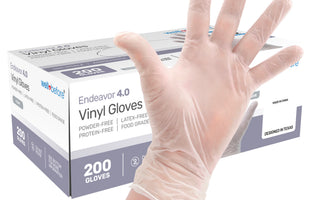
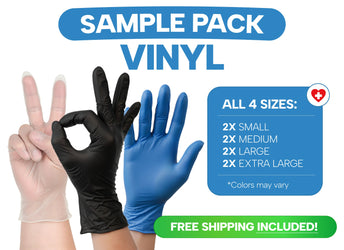
Vinyl gloves are an affordable, latex-free option for low-risk tasks. Made from PVC, these gloves work well for food service, light cleaning, and general handling where extended wear isn't required. While they don't offer the same durability as nitrile, vinyl gloves provide adequate barrier protection for everyday tasks at a budget-friendly price.
Latex Gloves
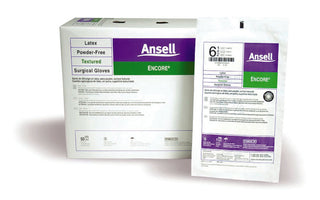
Latex gloves offer superior elasticity and comfort, conforming closely to the hand for excellent dexterity. They're commonly used in medical settings and laboratories. However, some people have latex allergies, so nitrile or vinyl alternatives are often preferred in public-facing environments.
Are Nitrile Gloves Chemical Resistant?
Nitrile gloves provide good resistance to many chemicals, oils, and solvents, making them a versatile choice for various applications. They protect against common cleaning agents, petroleum products, and many laboratory chemicals. However, the level of protection depends on glove thickness and chemical concentration (containing more than 70% nitric acid or 88% formic acid).
For tasks involving harsh chemicals or prolonged exposure, you can check the manufacturer's chemical resistance chart to ensure adequate protection. Heavy-duty nitrile utility gloves offer better chemical resistance than thin exam gloves.
Can You Use Nitrile Gloves for Cooking?
Yes, you can use nitrile gloves for cooking and food preparation. Nitrile gloves are FDA-approved for food contact and commonly used in commercial kitchens. They protect food from contamination while keeping your hands clean during meal prep. Change gloves between handling raw meats and ready-to-eat foods to prevent cross-contamination.
How to Choose the Right Glove Size and Fit?
Proper glove fit is highly necessary for comfort and protection.
Gloves that are too loose can slip off or reduce dexterity, while gloves that are too tight cause hand fatigue and may tear. Most disposable gloves come in sizes from small to extra-large.
To choose the right glove size and fit, follow the glove sizing guide and take two measurements of your dominant hand. Start with a horizontal measurement by wrapping a tape measure around the widest part of your hand just below the knuckles, excluding the thumb.
Next, take a vertical measurement from the tip of your middle finger down to the base of your hand. Compare both measurements with the manufacturer’s sizing chart. A properly fitting glove should feel snug without restricting movement, with no excess material bunching at the fingertips.
Buy Disposable Gloves from WellBefore
WellBefore makes it easy to find and purchase the right disposable gloves for your needs.
We carry trusted brands that meet safety and quality standards for medical, food service, and industrial use. Our selection includes powder-free options, latex-free alternatives, and bulk packs for high-volume users.
All orders ship within 24 to 48 hours, and our customer support team is available via live chat, phone, or email to help you select the right gloves for your application. Whether you need a single box or bulk quantities for your business, WellBefore has you covered.
Frequently Asked Questions
What's the difference between nitrile, vinyl, and latex gloves?
Nitrile gloves offer the best durability and chemical resistance, making them ideal for medical use and food service. Vinyl gloves are more affordable and suited for light-duty tasks. Latex gloves provide excellent comfort and fit, but may cause allergic reactions to some people.
Are nitrile gloves food safe?
Yes. Nitrile gloves are FDA-approved for direct food contact and are widely used in restaurants and food processing. They resist oils without latex allergy concerns.
How long can I wear disposable gloves?
Change gloves whenever they become torn, contaminated, or after completing a task. In medical settings, change gloves between patients. In food service, change when switching tasks. For general use, replace every 2 to 3 hours. Make sure to never wash or reuse disposable gloves and to always wash hands immediately after removal
Why should I choose powder-free gloves?
Powder-free gloves reduce the risk of contamination and allergic reactions. Powder can carry latex proteins (in latex gloves) or contaminate food and sterile environments. Most medical and food service applications now require powder-free gloves.
Are nitrile gloves chemical resistant?
Nitrile gloves resist many chemicals, oils, and cleaning agents. Protection depends on glove thickness. For harsh chemicals, use heavy-duty nitrile gloves instead of thin exam gloves.

 Shopping for